
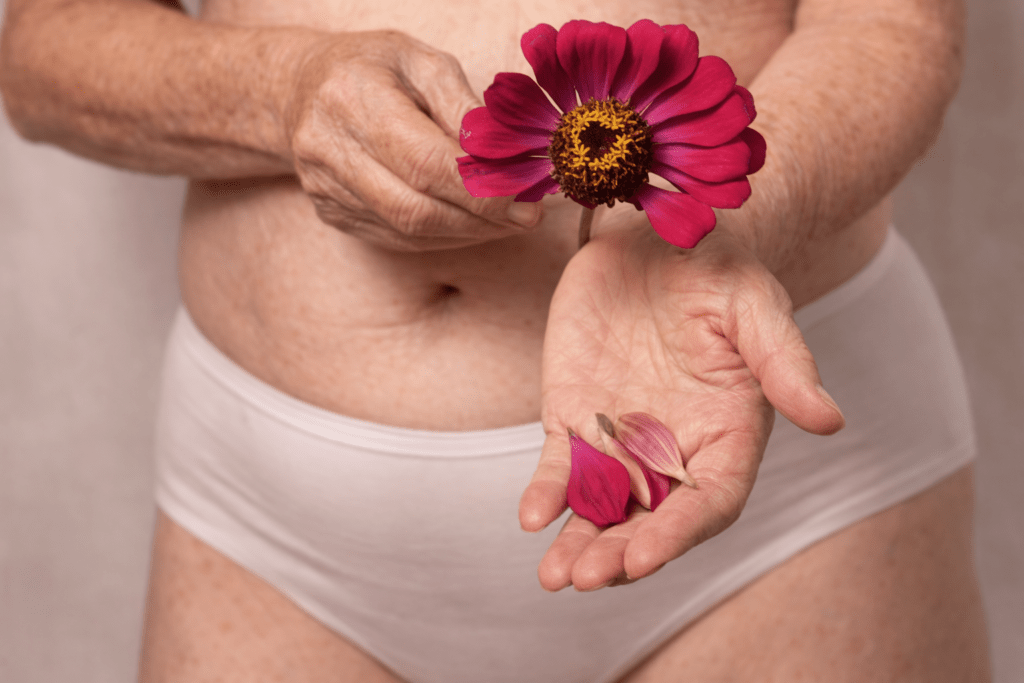
Menopause is a personal and significant journey for every woman. While we often talk about hot flashes and mood changes, there are other very real, yet often unspoken, shifts that happen within our bodies, particularly concerning our urogynaecological health. These changes can feel isolating, but please know you’re not alone, and there’s so much we can do to help.
This article is here to shed a warm, comforting light on some of these common urogynaecological conditions that many women experience during menopause.
Our aim is to help you understand what’s happening, recognise the signs, and feel empowered to seek the quality care you deserve. Rest assured, specialised urogynaecology services in Singapore are readily available, with dedicated professionals committed to supporting your well-being.
Beyond Hot Flashes: Understanding Urogynaecological Issues During Menopause
As you transition through menopause, the most significant change happening internally is the natural decline in oestrogen levels. Think of oestrogen as a vital nutrient for many parts of your body, including the delicate tissues of your vulva, vagina, urethra, and bladder. When oestrogen levels decrease, these tissues can become thinner, drier, and lose some of their natural elasticity. This process is what doctors call atrophy. Even the natural balance of beneficial bacteria in your vagina can shift, making things feel a little different.
These urogynaecological changes, though invisible to others, can genuinely impact your comfort, sexual intimacy, and overall confidence. They might make daily activities a bit less comfortable, or even make you hesitate in social situations. It’s perfectly normal to feel this way.
GSM and POP: Common Urogynaecological Conditions in Menopause. Let’s delve into two very common conditions that many women encounter during this phase of life.
1. Genitourinary Syndrome of Menopause (GSM)
Have you noticed persistent dryness, itching, or discomfort down there?
These could be signs of Genitourinary Syndrome of Menopause (GSM). This is a common and progressive condition caused by that decline in oestrogen affecting the intimate areas, including the labia, clitoris, vagina, urethra, and bladder.
While exact numbers can vary, clinical experience shows that a significant number of postmenopausal women experience symptoms of GSM. Many women report vaginal dryness, which is just one piece of the GSM puzzle.
What GSM might feel like:
- Vaginal symptoms: Persistent vaginal dryness, burning, itching, or irritation.You might also experience discomfort or painful intercourse (dyspareunia), sometimes with a little bleeding afterwards.
- Urinary symptoms: Feeling a sudden urgency to pee, pain during urination (dysuria), or even more frequent urinary tract infections (UTIs).
GSM can certainly affect your sexual well-being and daily comfort, but thankfully, there are effective ways to manage it.
Solutions for GSM:
- Lifestyle Changes: Simple adjustments like adequate fluid intake, wearing loose clothing, and avoiding vaginal douching or the overuse of strong feminine products can significantly reduce symptoms.
- Hormonal Treatment: topical oestrogen therapy is an effective and commonly prescribed treatment by gynaecologists in Singapore. It works by gently reversing age-related changes in the vagina, bladder, and urethra, and also helps restore the healthy vaginal microbiome.
- Personalised Care: It is important to seek advice from a doctor, as symptoms can overlap with other conditions. Your doctor will take into account your specific symptoms, lifestyle, and risk factors to create an appropriate treatment plan.
2. Pelvic Organ Prolapse (POP)
Sometimes, during menopause, you might start to feel a sensation of “something coming down” or a heaviness in your vagina. This could be a sign of Pelvic Organ Prolapse (POP). This happens when pelvic organs like your bladder (cystocele), uterus (uterine prolapse), or rectum (rectocele) gently shift from their usual position and create a bulge in the vagina.
POP is actually quite common, especially among older women. Studies suggest that up to half of all women might experience some degree of prolapse, with a smaller number needing more significant intervention.
Why POP can happen:
It often occurs due to weakened pelvic floor muscles and the connective tissues that support your organs. Factors like childbirth (especially vaginal deliveries, which are common in Singapore), chronic coughing, and crucially, the loss of oestrogen support during menopause in women, can all contribute.
What POP might feel like:
- A noticeable bulging tissue at the vaginal opening
- Constant pressure or discomfort in your pelvis
- Difficulties with urination or bowel movements
- Pain during sexual intercourse or the inability to have sex itself
Seeking Support and Solutions for POP :
Non-Surgical Management:
- Pelvic floor exercises are important for strengthening the supporting muscles.
- Lifestyle Adjustments: Simple changes like maintaining a healthy weight, or avoiding constipation can make a big difference.
- Pessaries are another non-surgical option, fitted and managed by your urogynaecologist. These are removable devices inserted into the vagina to support pelvic organs and relieve symptoms.
Surgical Management:
If non-surgical methods aren’t enough, various surgical repairs are available in Singapore, performed by experienced urogynaecologists. The type of surgery can be discussed with your urogynaecologist.
UTIs, Incontinence, and Prolapse: Urogynae Challenges of Menopause
Let’s explore further common urogynaecological challenges that can arise during menopause.
1. Recurrent Urinary Tract Infections (UTIs) during Menopause
Have you found yourself battling recurrent UTIs more often after menopause?
You’re not alone. The decline in oestrogen can make the lining of your urethra and bladder tissue more delicate. It also changes the natural balance of bacteria in your vagina, leading to a less acidic environment and reduced protective lactobacilli, making the urinary tract more susceptible to bacterial infections. Sometimes, incomplete bladder emptying, which can be linked to prolapse, also plays a role. You can find more detailed information about Urinary Tract Infections (UTIs).
UTIs are common, and their frequency does tend to increase with age, especially after 50. Postmenopausal and elderly women are at a higher risk, and experiencing repeated UTIs can be truly frustrating.
What UTIs feel like:
It usually presents with a burning sensation when you pee, frequent urges to go, and discomfort in your lower abdomen.
Finding Relief and Preventing UTIs :
- Treatment of UTIs: If you suspect a UTI, prompt medical attention is essential. Antibiotics are commonly prescribed, usually for a course of 3-7 days. It’s crucial to complete the entire prescribed course.
- Prevention of Recurrent UTIs:
- Lifestyle Measures: These include adequate hydration, urinating soon after intercourse, avoiding vaginal douching and irritating feminine products, and choosing breathable cotton underwear.
2. Urinary Incontinence during Menopause
Urinary incontinence menopause – the involuntary leakage of urine – is a very common yet often unspoken concern. It can feel embarrassing, but it’s important to remember that many women experience it.
Understanding the Types of Incontinence:
- Stress Urinary Incontinence (SUI): This happens when you leak urine with activities that put pressure on your bladder, like coughing, sneezing, laughing, or exercising. It’s usually due to weakened pelvic floor support.
- Urge Urinary Incontinence (UUI) / Overactive Bladder (OAB): This is characterized by a sudden, strong urge to urinate that’s hard to control, and may lead to leakage before you can reach the toilet. This can be related to changes in bladder muscle function.
- Mixed Incontinence: Sometimes, women experience a combination of both SUI and UUI.
Factors contributing to incontinence include oestrogen deficiency, weakened pelvic floor muscles (especially after childbirth), malfunctioning bladder muscle, and some medication effects (including diuretics and certain sedatives) can all contribute to incontinence.
Steps to Take for Urinary Incontinence:
- Non-Surgical Management:
- Pelvic floor exercises
- Bladder Training
- Surgical Management:
For more persistent cases of stress urinary incontinence, various minimally invasive procedures are available, performed by urogynaecologists in Singapore. These primarily include:
- Synthetic Mid-Urethral Tape (e.g., TVT or TOT procedures): This procedure involves positioning a thin strip of synthetic mesh beneath the mid-urethra. Functioning as a sling, it supports the urethra and helps keep it closed during activities that increase abdominal pressure, like coughing or exercising. This surgery is minimally invasive, often performed through small incisions, and is effective for women with stress urinary incontinence.
- Open Colposuspension (Known as Burch colposuspension): This surgical option involves making an incision in the lower abdomen to access the bladder neck and urethra. Sutures are placed to lift and secure these structures to the pelvic ligaments, providing support and preventing urine leakage. This procedure is particularly beneficial for stress incontinence and is often recommended for women who have not found relief from less invasive treatments. While more invasive than sling procedures, it offers long-term efficacy in managing incontinence.
Prolapse and its Deeper Connection to Menopause
While your body will do a lot of healing on its own, you should talk to a professional if:
Take It One Day at a Time
While some women might experience POP earlier in life, the loss of oestrogen support during menopause can significantly worsen existing prolapse or increase the likelihood of it developing in women.
Furthermore, prolapse can often intertwined with other symptoms. For instance, a cystocoele (bladder prolapse) can make it difficult to fully empty your bladder, potentially leading to recurrent UTIs. Our healthcare providers in Singapore are very familiar with these complex connections and are here to address them holistically. It’s important to remember that while some women might be hesitant to discuss prolapse due to embarrassment, seeking professional help is the most caring step you can take for yourself.
Conclusion: Embracing Your Urogynaecological Health
Menopausal health isn’t just about managing the more obvious symptoms; it’s about embracing all aspects of your urogynaecological well-being. These facets of your health deserve attention and compassionate care, helping you age gracefully and continue to live a full, vibrant life. We’re here to support you in taking a proactive approach to your women’s health journey. For more information, kindly contact our clinic.
Disclaimer: The information provided in this article is for general purposes only and should not be considered as a substitute for medical advice. Always consult with your healthcare provider before making any changes to your current treatment plan or starting any new medications.
Frequently Asked Questions
- Is it normal to leak when I laugh? It is widespread, but you don’t have to live with it forever. It’s usually a sign that your “hammock” muscles need some strengthening exercises.
- When can I start running again? Most professionals suggest waiting at least 3 months. Running is “high impact,” which means it’s like jumping on a hammock that is still being repaired. It’s better to walk until you feel strong.
- Why do my joints feel “wobbly”? During pregnancy, your body makes a hormone that loosens your joints. This can stay in your body for a few months after birth, making you feel a bit unstable.
- Can I fix the stomach gap at home? Yes, many women do! Focus on deep breathing and “corset” exercises rather than crunches. If the gap is significant, a physical therapist can craft you a specific plan for rehabilitation.
- Does breastfeeding affect recovery? Yes. Breastfeeding keeps certain hormone levels low, which can cause things like vaginal dryness or joint looseness to last a little longer. This is normal and will improve once you stop nursing.